A look at popular Testosterone Boosters on the market: Ageless Male Review by Dr. Aleksander Grbovic and Jared Rhoads
Many people looking for help with low testosterone levels consider taking supplements. As advocates of naturopathy and ayurveda, we're all for dietary supplements that are safe, natural, and effective.
However, consumers need to keep in mind that supplement industry runs on hype and sometimes even unethical marketing. Also, one needs to be aware of why he needs a testosterone booster in the first place?
Is it poor sexual function? Or low energy and stamina? Brain fog etc. etc.?
Although some men who take testosterone report better sexual function, most don’t. That’s in part because erectile dysfunction usually stems from low blood flow to the penis, caused by high cholesterol levels or high blood pressure, not usually becasue of low testosterone, according to the American Urological Association.
Where does Ageless Male fit in?
Ageless Male is marketed as one of the most effective male enhancement supplements that are available in the market. It supposedly has the potential to help users regain their vigor and sexual energy. In addition, the company behind it ie. New Vitality claims that it has the ability to enhance overall endurance and well-being. As a result, people who consume this supplement will be able to get a more vital and youthful feeling.
Now, chances are that taking a testosterone booster doesn’t actually improve physical stamina or energy, either, according to a 2016 study of men 65 and older funded by the National Institutes of Health.
"My patients come in all the time asking for it after seeing all the direct-to-consumer ads telling them they absolutely need to take it,” says Adam Cifu, M.D., a professor of medicine at the University of Chicago and co-author of "Ending Medical Reversal.”Besides, there are a lot of scams happening in the supplement industry and there are several reasons why your Testosterone booster might not even work to increase your testosterone levels.
"Since there is so much demand, physicians feel pressure to prescribe it not to lose patients.” Some doctors may believe what Cifu calls "marketing hype—that testosterone will make a 60-year-old man with slightly low testosterone feel better. But it’s medicalizing natural aging.”
So, is Ageless Male any different than plenty of other similar testosterone pills out there? Let's find out!
Ageless Male Ingredients
Ageless Male is a male enhancement product that claims it can boost testosterone and reduce the amount of testosterone that is converted to estradiol and DHT. However, the Ageless Male website also states that this product has the potential to boost energy production, increase sex drive, promote lean muscle mass, and give users a more positive mood.
So, now for the burning question… how does Ageless Male work?
The ingredients that can be found in Ageless Male have played a major role behind its popularity.
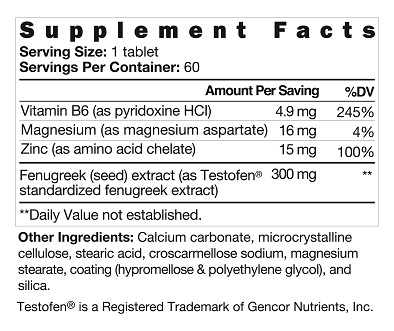
The above ingredients are connected with enhancing healthy Testosterone production in the body, especially zinc.
One of the major ingredients found in Ageless male is Testofen, which is nothing but standardized fenugreek seed extract.
Fenugreek is a medicinal plant and is used for many conditions, including digestive problems, gastritis, heart conditions, high blood pressure level and cholesterol.
Fenugreek is also used for kidney problems, mouth ulcers, infection and tissues, tuberculosis and even conditions like erectile dysfunction.
The extreme advantage of using this particular medicinal ingredient has been shown in lowering diabetic conditions including type I and type II diabetes.
Fenugreek has been chemically proven to boost free testosterone levels and help support healthy energy metabolism, active sexual energy and muscle boost.
So, do all these ingredients work together to make Ageless Male an excellent Testosterone supplement?
We came across several reviews and testimonials of Ageless Male on Amazon, and in the majority of cases, they weren’t so good.
For example, this detailed review by someone who didn't find any success with the product:-
I bought into the radio ads, and I ordered the stuff. I took it for a couple of months, but I really wasn't feeling any different. So, I stopped taking it for a week and ordered a lab test for testosterone levels - Testosterone, Free and Total Testosterone, Serum - from Walk-In Labs (LabCorp) for $79, as I had never been tested before. I am 48 years old, and the test results showed that I have low levels, well under the low baseline: 308 ng/dL for free and total serum. I am otherwise very fit, healthy, and excercise regularly, and eat really well. So, I started again with the Ageless Male, which I now have 4 bottles of, and I logged my intake. I took the recommended two per day, one early and one late. And on a few occasions, I took an extra pill, which I also noted. After 26 days, I again bought another testosterone test from Walk-In Labs. The results show that the claims on the web site are no where near the actual results: only 322 ng/dL for the serum level!!! So small of an increase, that it could have been additionally increased because of certain foods that I was eating. Not even a 5% increase, and no where near my 40% target (that I was hoping for). As for 50% or 60% (depending on which of their web sites you end up at): are they kidding?? This is a VERY expensive supplement. You are probably better off just getting bottles of Saw Palmetto and asaxanthin (but probably not from New Vitality). My next test will be using the best quality Saw Palmetto and asaxanthin that I can find over-the-counter. My conclusion with Ageless Male is that I am writing a letter to insist on a full refund for grossly misrepresenting their product, as I have the before and after tests to prove it. -- Rob --Another detailed review and discussion can be found on Reddit thread as well, where users are commenting on "marketing genius" behind Ageless Male, instead of any positive results. Another thread on Bodybuilding.com have users claiming mostly it's a scam!
Many users never felt Ageless Male work at all.
While some felt it kick in at about the one-month mark.
The makers of Ageless Male don’t mention complications you might encounter while taking the product with high blood pressure, but there’s always potential for something to go wrong.
They do say that if you are taking medication, or have other health concerns, it’s best to seek professional medical advice.
How can Ageless Male benefit you?
Ageless Male claims to be the anti-aging supplement for men like Aswhagandha, HGH etc. (ingredients & compounds that have been made popular by podcasters like Dr. Andrew Huberman). Some people have also compared it to supplements like deer antler velvet extracts or even as an alternative to viagra.
According to the company, Ageless Male can help its users to experience a wide array of benefits. They include:-
- Providing a natural support to the hormone levels within body.
- Enhancing the overall sexual health and vigor that reduces along with aging.
- Promoting lean muscle accumulation and strength gain.
- Enhancing a good sexual performance.
Do they promote via free trials and use auto-debit?
The company does that pretty skeevy thing where they put you on auto-debit, recurring payments. Sure you can cancel, but we would imagine many men don’t. While it’s probably not the scammiest of scams, use your best judgement before pulling out your wallet.Pros of Ageless Male:
- The Ageless Male website is very professional looking and easy to navigate.
- The product website provides information on Andropause and lack of testosterone.
- There is an interesting back story on Dr. Rosenstein provided, similar to a testimonial.
- The product offers a 100% money back guarantee for up to 30 days after product purchase.
- Information on the manufacturer, NAC Vitamins Inc., is provided on the product website. There is a discount offered for individuals who choose to purchase a 3-month supply.
Cons of Ageless Male:
- There is very little information provided regarding how the product works.
- The product website states a clinical trial, but does not mention the ingredient that the trial supported or provide a link to view the trial’s results.
- The FAQ section is very limited and doesn’t provide answers to any of our pressing questions regarding this product.
- The product does not mention whether or not there are any side effects associated with use.
Ageless Male vs. Ageless Male Max
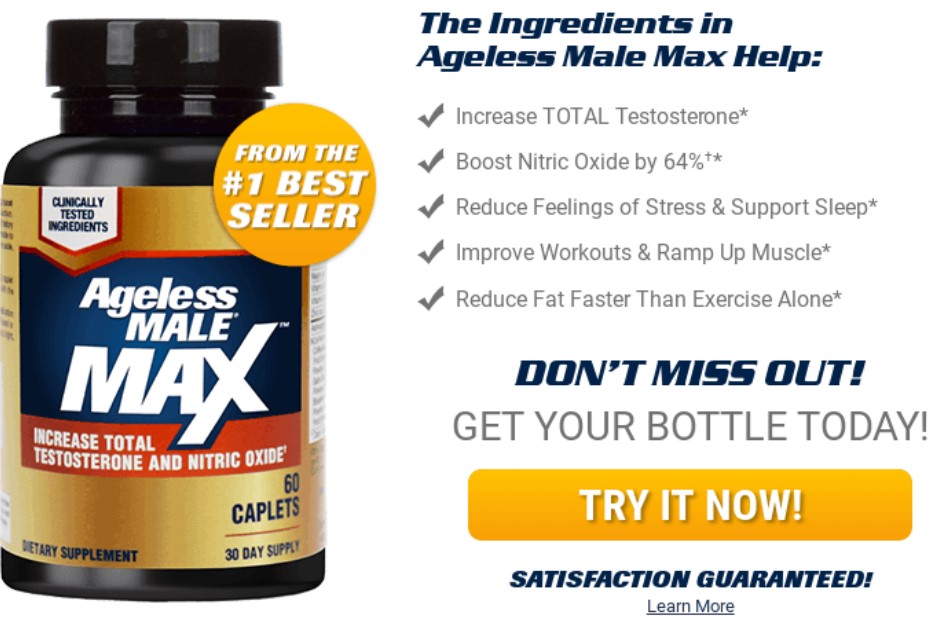
Ageless Male Max is apparently supposed to boost nitric oxide by 64%. Following are the Ageless Male ingredients:-
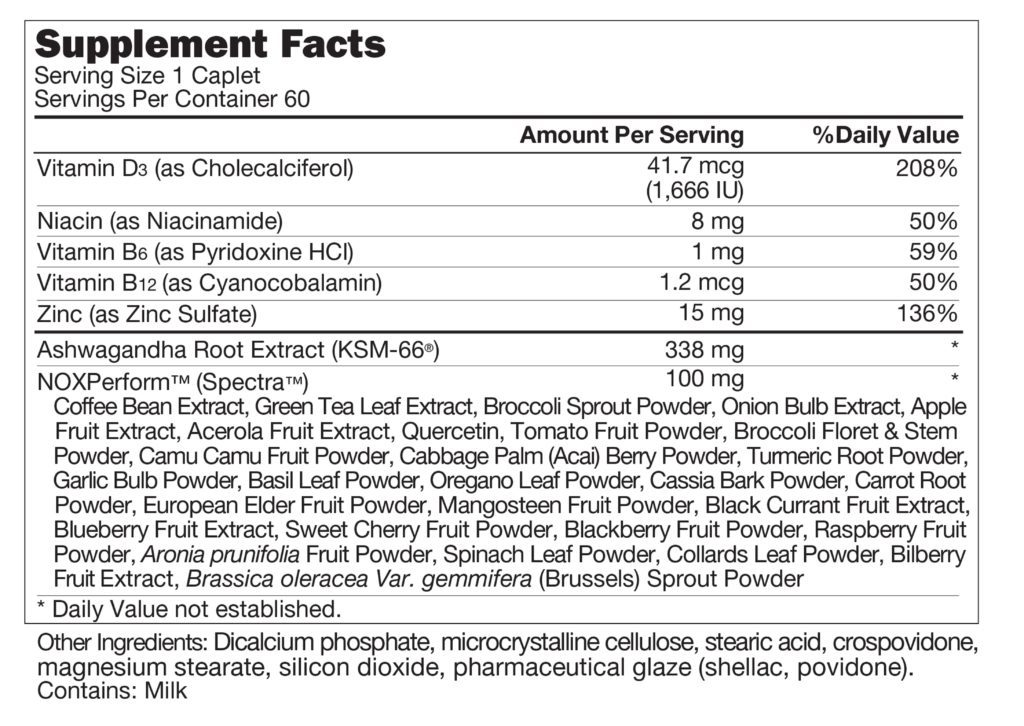
As for the price of Ageless Male Max, you can expect to pay about $10 more per monthly supply.
Now, the ingredients in Ageless Male Max seem good and very diversified, but considering they use coffee bean and green tea extract, the supplement seems to be tiltted towards the stimulants category.
So, all in all, the claim that Ageless Male Max can enhance nitric oxide in the body, and thereby increasing erection strength seems plausible.
Ashwagandha can help beat stress and anxiety, decrease cortisol, increase LH (luteinizing hormone) production and thereby has some potential in increasing Testosterone levels. (So overall Ageless Male Max can also be used as a climax delay supplement for men because of calming properties of Ashwagandha. Some discussion on Quora where several users share their experiences with trying Ashwagandha at different doses for Testosterone.)
So, is Ageless Male Max worth it?
Well, when it comes to supplements that enhance nitric oxide production, there is no scarcity of them on marketplaces like Amazon.com. And most of them are pretty effective and way more affordable than Ageless Male Max.
Ashwagandha supplements also come quite cheap.
So, while Ageless Male Max's composition seems strong, the price doesn't seem justifiable, considering it's only a weak Testosterone booster.
If you need more information on what similar products are available in the marketplace, we encourage you to read this review on Bright Futures FITNESS..
People interested in Testosterone boostes based on similar ingredients like ashwagandha, can look into products like Test Boost Max, Nugenix Total-T etc. For an evaluation on what do other users have to say about these products, we recommend checking out various reddit communites like this and this.
Spring Valley Ashwagandha for men is also a good ashwagandha brand, for men looking to get aswhagandha benefits on testosterone & sexual health.
Researches done about Ageless Male
Some scientific researches and clinical trials have been conducted in order to measure the effectiveness of Ageless Male.A specific study has been conducted by using another popular male enhancement supplement named Mytosterone. Ageless Male was not used in this research.
The manufacturing company of this supplement, Triarco, funded this research. 42 healthy individuals who are in between 37 and 70 years of age were selected for the study and they were equally divided into two categories.
The first group was provided the Mytosterone supplement with a dose of 800mg and the second group was provided the same supplement with 2000mg.
After a period of two weeks, the results were observed carefully in between the two categories. Men who belong to both categories showed a significant increase of testosterone alone with a reduction in DHT. People who belong to the 2000mg category showed a significant reduction in the estrogen levels.
Another research has been conducted by taking the ingredient named Testofen into account. In fact, this is the main ingredient that can be found in the male enhancement supplement Ageless Male.
This ingredient claims to increase the testosterone levels among men in an effective manner. The studies conducted on this ingredient has shown positive results and it has effectively increased the testosterone levels.
Does Ageless Male work?
Many people who are concerned about purchasing Ageless Male wonder whether it can deliver positive results or not. Based on the studies that have been conducted about this supplement and its ingredients, we can say that Ageless Male can deliver modest yet positive results to the users.However, the consumer reviews are really very mixed!
It can be considered as a good product to boost the testosterone levels of males. However, this product does not include some of the other most powerful testosterone boosting ingredients that you can see out there.
On the other hand, Ageless Male cannot boost anti-aging hormone levels (like HGH) effectively.
What are the drawbacks associated with Ageless Male?
Ageless Male cannot be considered as the best male enhancement supplement that you can find in the market. It is associated with several drawbacks as well. They include:
- The developers of Ageless Male have missed out some of the powerful ingredients that are being used in male enhancement supplements. The available ingredients are not in a position to beat the homeostatic system of the human body. They could have used a better variety of ingredients to deliver more effective results.
- Ageless Male is not the cheapest male enhancement supplement as well. You can find many different male enhancement supplements that can perform better in the same price range.
- It features a single mechanism in order to boost the testosterone levels.
When it comes to reality, most of the testosterone boosting products in the market, especially the ones that are made with herbal ingredients are not in a position to deliver excellent results to the users. Two main reasons are there behind this-
- Most male enhancement supplements & OTC Testosterone Boostes that are made with herbal ingredients do not have the diversity or quality in the ingredients. Sometimes, the ingredients are not backed up by any clinical or scientific studies. Moreover, all the ingredients work in the same way. Unfortunately, an excellent diversity in the ingredients should be there in order to beat homeostasis system of the body.
- Several reasons are there behind the low testosterone levels among men. People differ from each other as well and their bodies recognize the ingredients in different ways. Therefore, all the testosterone boosters out there in the market cannot deliver positive results for all the people.
The hormonal system found within the human body can be considered as a complex phenomenon. Therefore, it has become a hard task for the male enhancement product developers to come up with a product that can deliver the best results for the users.
Therefore, you need to be careful when you are purchasing a male enhancement supplement or a "gas station sex pill" or a testosterone booster from the market. It is better to spend money on a product that has a good diversity of clinically backed ingredients with low risk of side effects.
That way, the ingredients have more potential to work in different ways and deliver positive results.
Also, keep in mind, according to studies, most older men may not feel better or see any health benefits from taking a testosterone booster. However, there are some anecdotal reports from older men using products like Ageless Male, that they have expereienced positive benefits in terms of energy, libido & sexual performance.
About the authors
Dr. Aleksandar Grbovic is a medical doctor, with extensive experience in and specialized in CVS and diabetes drugs. He has been a faculty of medicine for 8 years at Belgrade University. He has been associated with Institute of Occupational medicine “Serbian Railways”. This Institute was founded by Serbian Railways Company 130 years ago. Although they still provide specific medical services to rail personnel, Institute is nowadays a primary care medical facility responsible for more than 100.000 patients all over Serbia (approximately 50.000 patients in Belgrade branch). Also he attended attending Radiology residency and working on a project of preparing educational materials for the Internal Medicine board exams in the US as well as for the USMLE step 1 and 2. For more than a year, he is also working as a freelance medical writer. Most of his articles are for lay people (by September 2018 he wrote 250 articles). Also as a medical writer, he has only one goal in his mind – to bridge the gap between doctors and patients point of view by breaking down complex medical topics and presenting them in lay people language. Also knowing that his writing might help someone out there connect the dots is what gives him motivation.Jared Rhoads writes about healthcare, with a focus on issues involving markets, choice, and innovation and with the goals of improving the patient-doctor relationship and creating a more effective healthcare delivery system. He believes the role of medical ethics within its world of practice and study deserves due recognition. He founded the "Lucidicus project" to promote examining the moral and economic foundations of individual rights and capitalism and the principle that morals in Health & Medicine should be a subject consistently extolled in the corridors and halls, drummed into the minds of health care practitioners of all status and levels.
References
- http://journals.plos.org/plosone/article?id=10.1371/journal.pone.0162480
- https://www.newvitality.com/product/ageless-male-max/
- https://www.walmart.com/ip/Ageless-Male-Free-Testosterone-Booster-with-Testofen-Capsules-60-Ct/36817871
- https://www.nejm.org/doi/10.1056/NEJMoa1506119
- https://jhupbooks.press.jhu.edu/content/ending-medical-reversal
- https://www.healthline.com/health/erectile-dysfunction/zinc
- https://www.ncbi.nlm.nih.gov/pubmed/19839001
- https://www.consumer.ftc.gov/articles/0101-free-trial-offers
- https://www.verywellmind.com/what-are-stimulants-2795573
- https://www.healthline.com/nutrition/12-proven-ashwagandha-benefits
- How Ashwagandha works for Testosterone?
- https://www.fda.gov/Drugs/DrugSafety/ucm436259.htm